
Hollow Fiber Membrane: How It Works, Uses, and Key Advantages Explained
Hollow fiber membrane technology is an important part of contemporary filtration systems, which are applied in water treatment, healthcare, pharmaceutical, and industrial processes. One of the most effective membrane filtration systems today is the hollow fiber membrane, developed to effectively filter contaminants while maintaining high flow rates.
In the creation of safe drinking water, these technologies also enable the production of life-saving devices, characteristic of the technology, offering precision, scalability, and cost-effectiveness—attributes increasingly demanded by industries.
What Is a Hollow Fiber Membrane?
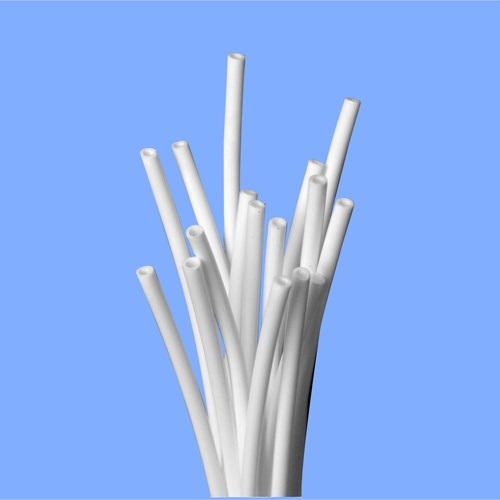
A hollow fiber membrane is made of bundles of thousands of straw-like fibers of very small diameter, placed inside a pressure vessel. The fibers are semi-permeable and allow the passage of water or gas but exclude unwanted particles.
Compared to flat-sheet or spiral-wound membranes, hollow fiber designs offer:
- Extremely high surface area in a compact footprint
- Flexible flow configurations
- Enhanced contaminant rejection
Common membrane materials include:
- Polyethersulfone (PES)
- Polyvinylidene fluoride (PVDF)
- Polypropylene (PP)
- Cellulose-based polymers
How Does a Hollow Fiber Membrane Work?
A hollow fiber membrane works like a fine filter, letting clean water or fluid pass through while trapping dirt, bacteria, and other unwanted particles.
Basic Working Principle
Hollow fiber membrane systems operate using pressure-driven separation. The feed fluid flows either:
- Inside-out: Fluid enters the fiber lumen and exits through the membrane wall
- Outside-in: Fluid surrounds the fibers and permeates inward
Contaminants larger than the membrane’s pore size remain on the feed side, while clean permeate passes through.
Step-by-Step Filtration Process
- The feed water is directed into the membrane module.
- Water is pushed through tiny pores.
- Pathogens, bacteria and suspended solids are held back.
- Clean permeate is gathered to use.
Think of it like a coffee filter—liquid passes through, but the grounds stay behind.
Types of Filtration Supported
- Microfiltration (MF) – Removes suspended solids and bacteria
- Ultrafiltration (UF) – Eliminates viruses, colloids, and proteins
- Nanofiltration (NF) – Partial salt and organic compound removal
Key Applications of Hollow Fiber Membranes
Hollow fiber membranes are used in many areas, from cleaning water and treating wastewater to medical, pharmaceutical, and food processing.
Water and Wastewater Treatment
Hollow fiber membranes are popular in purifying water.They assist in the purification of drinking water in cities, industrial wastewater recycling, and as a pre-treatment in reverse osmosis systems. These membranes are reliable and involve less use of chemicals.
Medical and Healthcare Uses
Hollow fiber membranes are highly significant in healthcare. They are applied in blood oxygenators, sterile filtration, and hemodialysis machines. Their accuracy and safe construction make them mandatory in the care of the patient.
Pharmaceutical and Biotech Processing
Hollow fiber membranes are used by pharmaceutical companies to concentrate proteins, clarify cell cultures and in vaccine production. These membranes clean the products and make the process smooth.
Food and Beverage Industry
Other applications of hollow fiber membranes include the food and beverage industry. They are also used in the separation of dairy proteins, clarification of beverages, and enzyme concentration. This ensures that products are safer and the quality is enhanced.
Key Advantages of Hollow Fiber Membrane Systems
Hollow fiber membranes offer many benefits, including high efficiency, reliable contaminant removal, low energy use, and easy maintenance.
High Surface Area Efficiency
The hollow fiber membranes are characterized by high surface area due to the presence of thousands of small fibers fitted inside one small module.This enables better filtration of larger quantities of water or fluid at a time, making it efficient.
Superior Contaminant Removal
They have good contaminant removal capacity and are therefore effective in removing bacteria, viruses, and dirt. They also operate at all times, regardless of fluctuation in the water quality.
Energy and Cost Efficiency
These membranes are efficient in terms of energy and cost, as they can work at low pressure, thereby conserving electricity. They are also inexpensive to maintain compared to certain other filters.
Scalable and Modular Design
Hollow fiber membranes are scalable and modular, making it simple to add capacity if your plant expands. They are suitable for both small and large facilities.
Easy Cleaning and Long Service Life
Lastly, they can be cleaned easily and are long-lasting. Most systems permit backwashing or chemical cleaning, allowing them to last longer than traditional filters.
Hollow Fiber Membrane vs Other Membrane Technologies
Hollow fiber membranes are different from other types of membranes because they provide more surface area, work efficiently in smaller spaces, and are easier to maintain.
| Feature | Hollow Fiber | Spiral-Wound | Flat-Sheet |
| Surface Area | Very High | Medium | Low |
| Maintenance | Easy | Moderate | High |
| Scalability | Excellent | Limited | Moderate |
| Fouling Control | Strong | Moderate | Weak |
This makes hollow fiber membrane systems especially attractive for continuous operations.
Challenges and Limitations
Regardless of their merits, hollow fiber membranes can encounter:
- High organic loads can cause fouling.
- Hypersensitivity to strong chemicals.
- Higher initial capital expenditure.
Most of these issues are addressed by proper system design and pretreatment.
How to Choose the Right Hollow Fiber Membrane
Key selection factors include:
- Check the pore size to ensure it removes the appropriate contaminants.
- Ensure that it performs with pressure and temperature of your system.
- Take into account the nature of water or fluid being filtered.
- Ensure that it meets industry standards such as those of the FDA, WHO, or EPA.
Future Trends in Hollow Fiber Membrane Technology
Hollow fiber membranes are becoming increasingly advanced. Anti-fouling coating prevents blockages and new polymer materials ensure that they are stronger and last longer.
They also have self-cleaning membranes which require less maintenance and more membranes are being manufactured using recyclable and green materials. These modifications render membranes to be more dependable, user-friendly and environment-friendly.
Conclusion
Hollow fiber membrane technology is an efficient, future-proof filtration technology that integrates efficiency, reliability, and scalability in various industries. This technology produces consistent and long-term value, whether it is utilized in the production of clean water, for medical use, or in industrial processing.
Oxymotec is an advanced hollow fiber membrane solutions developer focusing on the challenging operational and regulatory needs–to assist you in the attainment of cleaner processes and sustainable performance.
FAQs
What is the lifespan of a hollow fiber membrane?
Most hollow fiber membranes last 5–10 years, depending on water quality and maintenance practices.
Is hollow fiber membrane filtration safe for drinking water?
Yes, it is widely approved for municipal drinking water treatment and removes bacteria and pathogens effectively.
How often do hollow fiber membranes need cleaning?
Cleaning frequency depends on fouling levels but typically ranges from weekly backwashing to periodic chemical cleaning.
What contaminants can hollow fiber membranes remove?
They remove suspended solids, bacteria, viruses, colloids, and some organic compounds.