
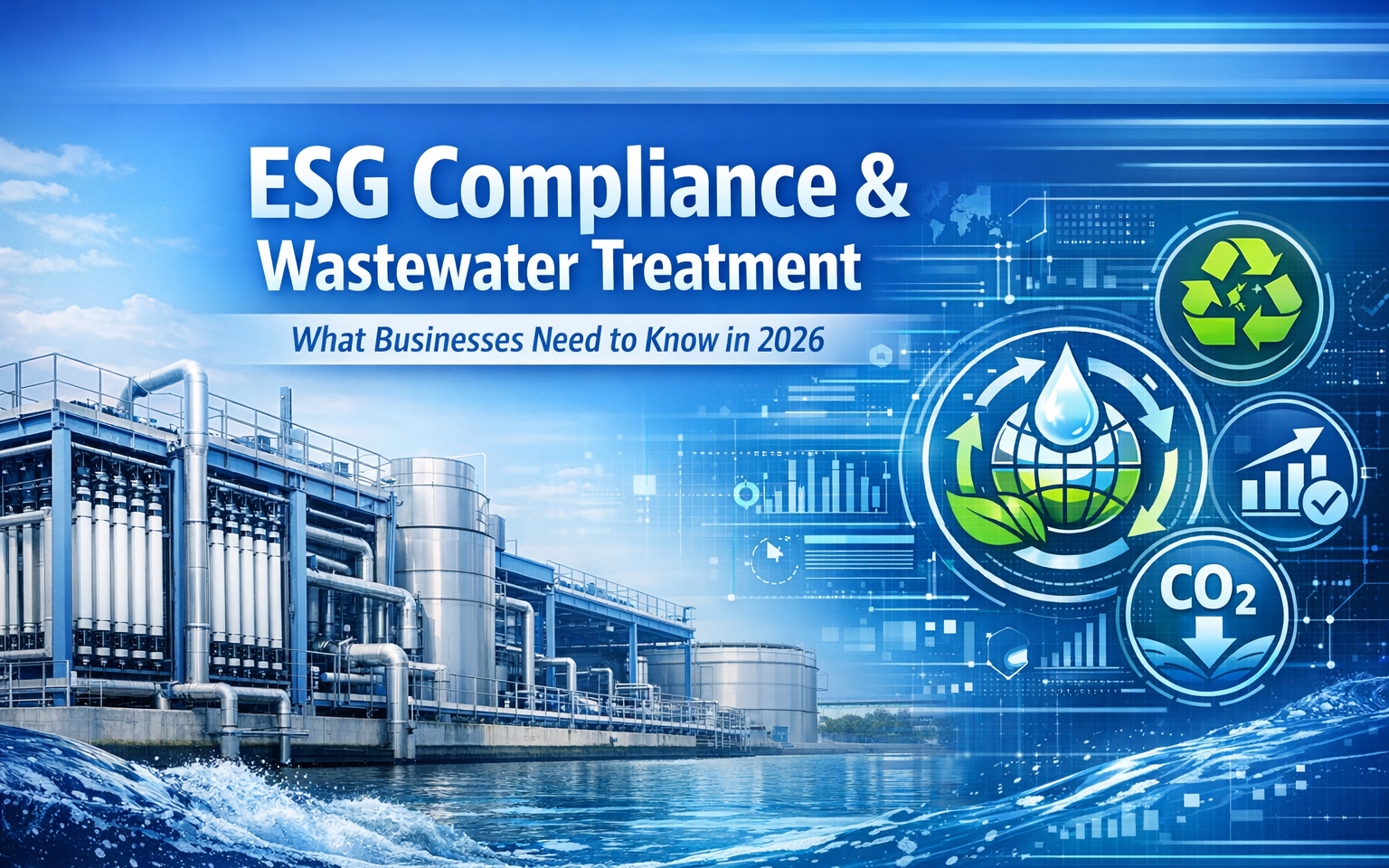
ESG Compliance and Wastewater Treatment What Businesses Need to Know in 2026
In 2026, companies will be under more pressure to comply with Environmental, Social, and Governance (ESG) standards. Profits are no longer the sole focus of investors, regulators, and customers; they desire companies to be responsible.
Wastewater treatment is one of the aspects that can pass unnoticed, and that has relevant ESG implications. Knowing its significance will not only be in terms of compliance but also in safeguarding your business and the environment at the same time.
Why ESG Compliance Matters Now More Than Ever
ESG compliance has become mandatory for organizations. Regulations are getting stricter, and non-compliance may result in fines, negative publicity, and even loss of market. The customers and partners are becoming more and more critical of companies in terms of their environmental impact.
Adequate management of the wastewater is a positive factor in the environmental responsibility of a company, as it helps reduce the pollution and save water resources.
The Connection Between ESG and Wastewater Treatment
The importance of wastewater treatment is based on environmental compliance. The manufacturing sector and food processing industry create wastewater, which needs proper treatment to prevent environmental damage. Advanced treatment systems achieve two goals by decreasing contaminants and reducing carbon emissions, which enable safe water discharge into surrounding areas and operational reuse.
For ESG reporting, businesses can showcase how their wastewater treatment practices align with sustainability goals, demonstrating transparency and accountability to stakeholders. By investing in efficient and environmentally friendly solutions to wastewater, companies do not only adhere to the regulations but also help strengthen their brand image as one that is concerned about the environment.
Key Considerations for Businesses
The wastewater management planning process must follow ESG standards while considering these elements:
1. Regulatory Compliance
Each region has specific wastewater regulations. Organizations must remain compliant with all current local and national and international regulations. Organizations that fail to comply with regulations will face penalties and experience operational delays and suffer damage to their reputation.
2. Technology and Efficiency
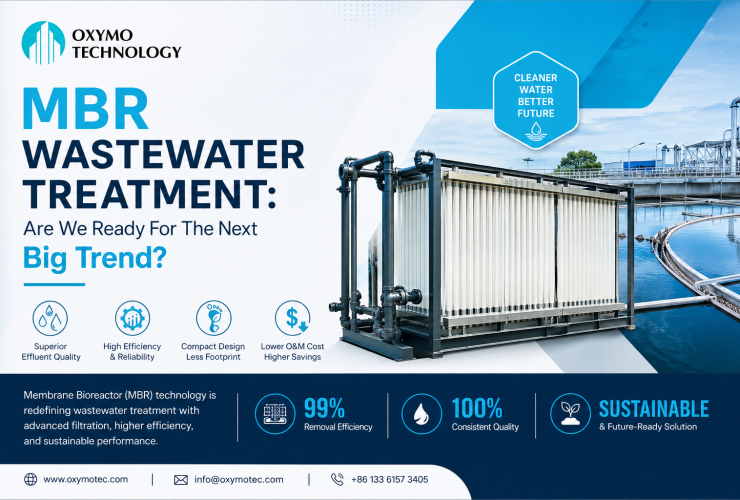
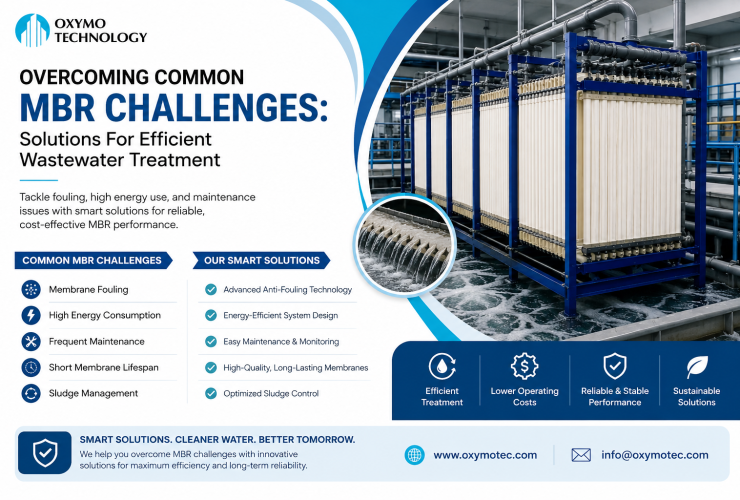
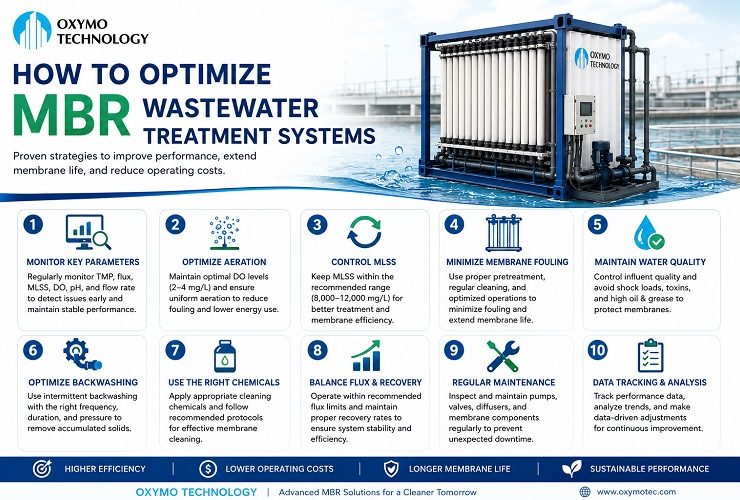
The current wastewater treatment technologies, which include membrane bioreactors, advanced filtration, and chemical-free treatment systems, provide better efficiency while decreasing their negative impact on the environment. The selection of appropriate technology enables organizations to achieve both their cost reduction objectives and their environmental, social, and governance targets.
3. Monitoring and Reporting
ESG transparency requires organizations to conduct ongoing monitoring while producing precise reports. Organizations need to measure their pollutant emissions and water reuse percentages and energy usage. The information generated through these processes enables organizations to fulfill their obligations to regulatory bodies while improving their operational activities.
4. Community and Social Responsibility
The wastewater management is not only a social problem but also an environmental one. Treatment ensures the protection of local communities and ecosystems against contamination. By showing this, corporate social responsibility (CSR) efforts are enhanced, and trust is established with the populace.
Turning Compliance Into a Competitive Advantage
Companies that consider wastewater treatment as a more comprehensive ESG approach can acquire a competitive advantage. Sustainable water practices can be used to attract investors, attract eco-conscious customers, and differentiate your brand. Firms that are innovative in wastewater treatment are considered progressive leaders within their industries.
In addition, sustainable practices would minimize operational risks and costs. For example: water recycling facilities save on utility bills, and less-carbon-producing treatment technologies save on carbon emissions – which will benefit both the planet and the bottom line.
Moving forward: ESG 2026 and Beyond
The wave of ESG compliance is only gaining momentum. By 2026, companies neglecting wastewater management and wider initiatives to sustainability risk falling behind their competitors and will experience more stringent regulations. Businesses that invest in environmental responsibility in the present day will gain long-term benefits, such as enhanced stakeholder confidence and operational stability.
Wastewater treatment is not only to fulfill the legal requirements but also to defend communities, the environment, and the future of your business. It is time for organizations to embrace sustainable growth and profitability.
Take the Next Step: Upgrade your operations with the Oxymotech MBR Wastewater Treatment Plant, which provides an efficient and sustainable solution which meets all operational requirements. Request a demo today and see how your business can achieve ESG excellence while reducing costs and environmental impact.
FAQs
Why is wastewater treatment important for businesses in 2026?
Through proper wastewater treatment, companies gain environmental protection benefits, regulatory compliance assurance, and an enhanced sustainable business image, which becomes increasingly important to both investors and customers.
How can businesses improve their wastewater treatment practices?
The implementation of modern treatment technologies and continuous water quality monitoring and water recycling systems allows businesses to achieve better efficiency and improved ESG performance.
Can effective wastewater treatment save costs for companies?
Yes. ESG regulations become easier to follow because efficient wastewater systems decrease both water and energy and waste management expenses.
2026 ESG Guide: Wastewater Treatment for Businesses
Make sure your business is ESG-ready by 2026. Discover contemporary wastewater treatment solutions to safeguard communities and the environment.