
MBR Sewage Treatment Plant: How It Works & Key Benefits
MBR Sewage Treatment Plant is transforming wastewater treatment in residential, commercial, and industrial applications. MBR systems are a combination of biological treatment and membrane filtration, which ensure a higher quality of water and contribute to its sustainable reuse. MBR STPs are also compact compared to traditional sewage treatment plants, produce less sludge, and meet high environmental standards.
Industries and municipalities are also becoming more inclined towards using MBR systems in wastewater recycling and reuse due to increasing urbanization and water shortages.
What Is an MBR Sewage Treatment Plant?
Membrane Bioreactor (MBR) Sewage Treatment Plant is a combination of activated sludge biological treatment and membrane filtration. This combination enhances the removal of BOD, COD, and suspended solids, resulting in water that can be reused.
Key highlights:
- Membranes are hollow fiber or flat sheets.
- Integrates aerobic degradation of microbes with physical separation.
- Produces a lower amount of sludge compared to traditional STPs.
How Does an MBR Sewage Treatment Plant Work?
An MBR sewage treatment plant cleans wastewater by combining biological treatment with advanced membrane filtration, making the water safe and reusable.
Preliminary Treatment Stage
The sewage is first screened and grit is removed before subjecting it to biological processing, which gets rid of solids and large debris. This protects downstream devices and ensures seamless performance.
Biological Treatment Process
The sewage flows into the aeration tank where organic matter is decomposed by the microorganisms. This process eliminates a majority of the BOD, COD, and nutrients such as nitrogen and phosphorus.
Membrane Filtration Process
The water flows through the modules that contain membranes that filter the suspended solids, bacteria and pathogens. The membranes provide a physical barrier to create ultra-clean effluent that can be reused.
Disinfection & Treated Water Output
The treated water can be disinfected by UV or chemical methods after filtration, and this makes the water safe to be used in landscape irrigation, flushing, or industrial cooling. Sludge is also reduced and controlled effectively.
Key Components of an MBR STP
An MBR plant has several important parts that work together to clean water efficiently, including tanks, membranes, pumps, and control systems.
Aeration Tank
The aeration tank resembles a large fish tank that has numerous microscopic assistants, known as microorganisms. They consume the filthy material in the sewage and clean the water.
Membrane Modules
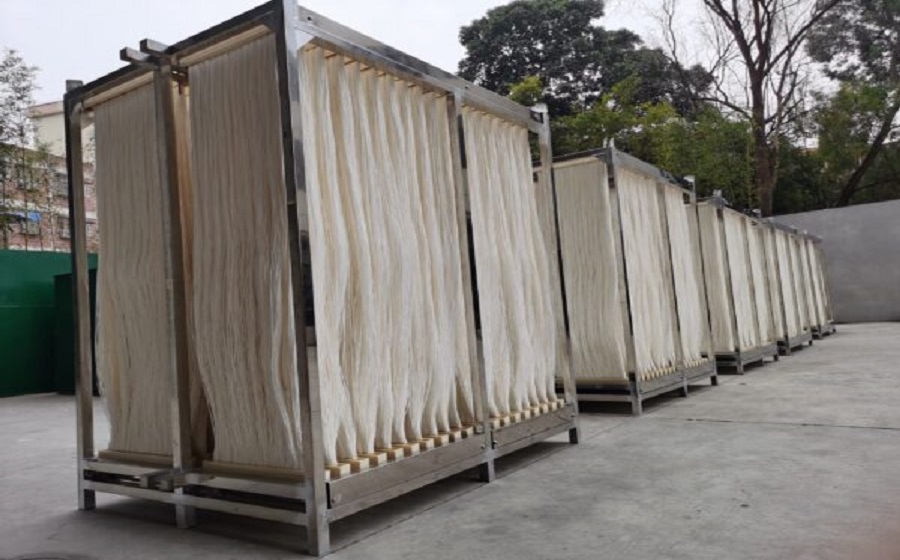
The membrane modules resemble extremely thin nets or strainers. They trap minute dirt and germs, allowing only clean water to pass through.
Blowers & Pumps
Blowers resemble air fans which provide oxygen to the microorganisms to remain active.The water flows through the plant with the help of pumps so that it is cleaned properly.
Control Panel
The control panel acts as the remote control of the plant. It monitors all operations and can switch parts on or off automatically to maintain a smooth functioning of the plant.
Sludge Handling Units
Even the cleaning process leaves some remaining waste known as sludge. This waste is handled with sludge handling units so that it can be easily thrown away in a safe manner.
Key Benefits of MBR Sewage Treatment Plants
MBR plants offer many advantages, such as high-quality treated water, space-saving design, water reuse, and lower sludge production.
Superior Treated Water Quality
MBR plants clean the water very effectively. They are capable of eliminating up to 99% of harmful substances such as BOD and COD, the indicators of pollution. The discharged water passes tough safety and discharge regulations.
Compact Footprint
MBR plants do not require much space. They are well suited for cities or areas with limited land. They occupy a lot less space as compared to the traditional sewage plants.
Water Reuse Capabilities
The water that is treated can be reused in flushing toilets, watering gardens or cooling industries.This assists in saving fresh water and contributes to zero liquid discharge (ZLD) that is, the wastewater is practically nonexistent.
Lower Sludge Generation
The MBR plants do not generate as much leftover sludge as in the conventional plants. This renders the disposal of wastes less expensive and the plant is eco-friendly.
Operational Reliability & Automation
MBR plants are effective even when there are changes in sewage load. They do not require human oversight as most of their functions are automatic and thus they operate easier and more dependable.
Applications of MBR Sewage Treatment Plants
MBR systems can be used in residential complexes, hotels, hospitals, industries, and municipal wastewater treatment projects.
- Residential complexes and townships
- Hotels and hospitals
- Industrial wastewater treatment
- Municipal sewage treatment projects
MBR STP vs Conventional Sewage Treatment Plant
MBR plants are more advanced than conventional sewage treatment systems, offering better water quality, smaller space requirements, and higher efficiency.
| Feature | MBR STP | Conventional STP |
| Treatment Efficiency | Very high (BOD/COD/TSS removal) | Moderate |
| Space Requirement | Compact | Requires more area |
| Operating Cost | Moderate | Lower upfront but higher sludge disposal |
| Water Reuse | Highly suitable | Limited |
| Maintenance | Low to moderate | Moderate |
Cost Considerations of MBR Sewage Treatment Plants
The cost of MBR Sewage Treatment Plants is normally higher than the traditional sewage treatment plants due to the sophisticated membranes and machinery. However, they are cost-effective in the long run since they generate less sludge, less space is used and reuse of water is possible which saves on the general cost.
The cost depends on several factors, such as the size of the plant, the quality of sewage supplied, and the degree of automation. Although the initial cost is greater, MBR plants are a smart solution to a large number of projects due to long-term advantages and savings.
Environmental & Regulatory Advantages
MBR Sewage Treatment Plants comply with major guidelines such as CPCB, EPA, and local pollution regulations, and hence the treated water is neither harmful to discharge nor to reuse.They also have a lesser impact on the environment through less waste production and efficient use of space. All in all, the MBR plants contribute to sustainable wastewater treatment and preserve the natural resources.
Common Challenges and Maintenance Requirements
The MBR plants require a certain level of attention in order to work well. Over time, the membranes may become clogged and hence they should be cleaned periodically. They also consume energy yet it can be controlled through proper planning. Through frequent checks and operations, the plant will be able to operate continuously and the membranes will have a long life.
Is an MBR Sewage Treatment Plant Right for You?
An MBR sewage treatment plant is suitable if you want clean water, reuse options, and a small plant footprint. You just need to check your water needs and budget before choosing it.
Ideal for:
- Projects with space constraints
- Industries or communities seeking water reuse
- Municipal projects needing high-efficiency treatment
Questions before installation:
- What is the daily sewage load?
- What are the quality standards for reuse or discharge?
- How much automation is required for operation?
Conclusion
The MBR Sewage Treatment Plant is an efficient, compact, and innovative wastewater treatment plant of the present-day world. It combines both biological treatment and advanced membrane filtration to guarantee high quality of water, less sludge and environmental standards.
Oxymotec offers customized MBR STP systems to industries and municipalities to find the reliable solution to the water reuse business as the system is long-term functioning and sustainable.
FAQs about MBR Sewage Treatment Plants
- What is the lifespan of MBR membranes?
Typically 5–10 years with proper maintenance and regular cleaning.
- Can MBR STP treated water be reused for drinking?
No, it’s suitable for flushing, landscaping, and industrial use, not potable purposes.
- How often does membrane cleaning occur?
Usually every 3–6 months, depending on influent quality.
- What is the difference between MBR and conventional STP?
MBR combines biological treatment with membrane filtration, offering higher efficiency and water reuse capability.