
What is a Sewage Treatment Plant? Complete Guide for 2026
A Sewage Treatment Plant is vital in contemporary wastewater management, particularly with the increase in urban population and the fact that water resources will be highly stretched in 2026. SPTs are no longer a luxury infrastructure; they are a necessity, both in terms of defending rivers and groundwater, as well as in defending human health.
In this complete guide, you’ll learn:
- What sewage and wastewater really mean
- How a sewage treatment plant works step by step
- Types of STPs and their technologies
- Benefits, challenges, and future trends
- Practical answers to common STP questions
Whether you’re a facility manager, builder, policymaker, or business owner, this guide will help you understand sewage treatment in a clear and practical way.
Understanding Sewage and Wastewater
What is Sewage?
Sewage is wastewater produced by residential, commercial, and public facilities, and it is composed of organic matter, suspended solids, bacteria, and chemicals.
Sources of Sewage
Sewage originates from:
- Home and apartment sources are domestic.
- Factories and processing units, such as industries.
- Stormwater, which is mixed with pollutants during the rainy season.
Difference Between Wastewater and Sewage
- Wastewater comprises any form of used water.
- Sewage is principally domestic and municipal waste.
What is a Sewage Treatment Plant (STP)?
Definition and Purpose
A Sewage Treatment Plant refers to a plant used to remove contaminants in sewage to ensure that the water released or utilized in other ways is safe.
Key Objectives of STPs
- Remove harmful pollutants
- Protect public health
- Prevent environmental contamination
- Enable water recycling
Role in Environmental Protection
STPs are similar to the filter used by nature- to purify wastewater before it flows into the rivers, lakes, or the groundwater.
How Sewage Treatment Plants Work
Step-by-Step Treatment Process
Preliminary Treatment
Screens and grit chambers are used to remove large solids like plastics, rags and grit. This measure secures downstream equipment.
Primary Treatment
The wastewater goes into sedimentation tanks, where the heavier solids settle at the bottom, forming sludge.
Secondary Treatment
Microorganisms are used in biological processes to break down organic matter. The most common techniques are the activated sludge and biofilm systems.
Tertiary Treatment
Advanced treatment enhances water quality through filtration, removing nutrients and disinfecting water using chlorine or UV light.
Types of Sewage Treatment Plants
Based on Capacity
Small-scale Sewage Treatment Plants
The small-scale STPs are applied to apartments, hotels, offices, and schools. They treat a little sewage on a daily basis. They are small-sized plants, convenient and assist in recycling water to irrigate the garden or flush toilets.
Large-scale Sewage Treatment Plants
Large-scale STPs are constructed in cities, towns, and industrial areas. They are dealing with a high amount of sewage. More space, machines and trained personnel are required to run these plants.
Based on Technology
Conventional Activated Sludge
This system is air and bacteria-based sewage cleaning. It ranks among the most widespread treatment procedures.
The advantage is that it is effective and widely used. The disadvantage is that it consumes more power.
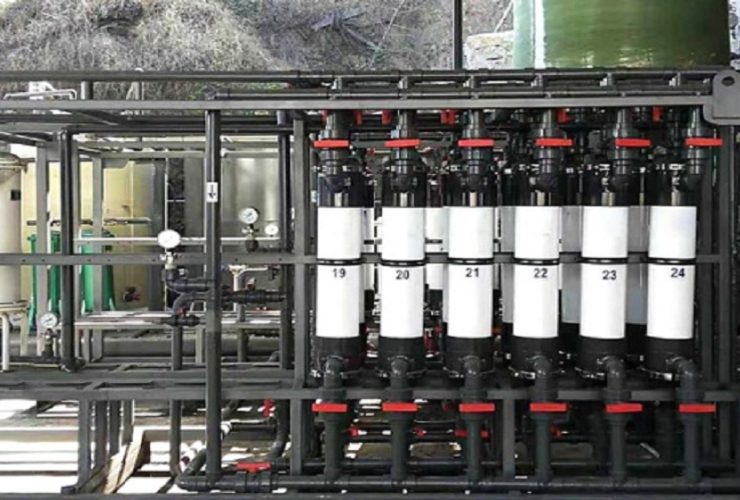
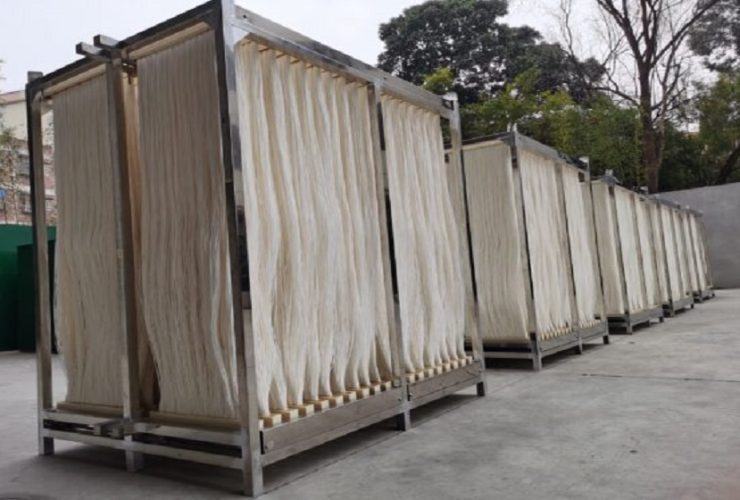
Membrane Bioreactor (MBR)
With the MBR systems, sewage is purified using bacteria and special filters. They provide highly clean water and do not consume much area.
The drawback is that they are more expensive to install as compared to other systems.
Trickling Filters
Under this system, sewage passes over stones or plastic material, where bacteria purify the water.
It is easy to operate and does not require a lot of maintenance. Nonetheless, it is not effective in purifying water as compared to modern systems.
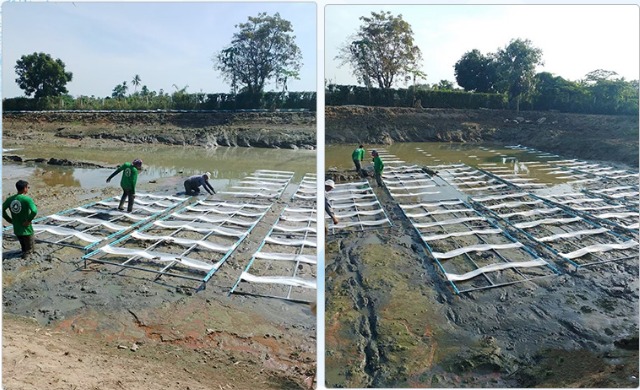
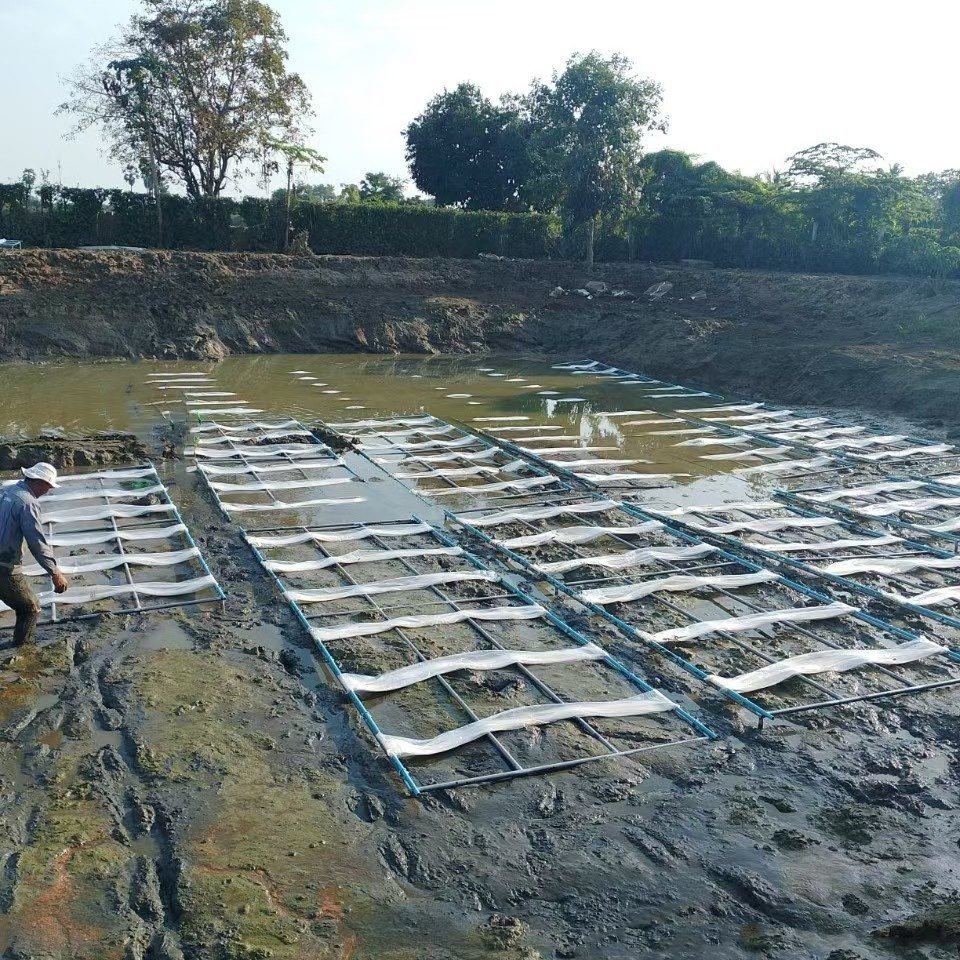
Oxidation Ponds
Oxidation ponds depend on natural activities such as sunshine and bacteria to dispose of sewage.
They are cheap and require less maintenance but require a lot of land space and require more time to treat water.
Key Components of a Sewage Treatment Plant
- Bar screens and grit chambers
- Primary sedimentation tanks
- Aeration tanks
- Sludge digesters
- UV or chlorination units
- Pumps and pipelines
Each component works together to ensure effective sewage treatment.
Importance of Sewage Treatment Plants
Environmental Benefits
The dirty water is treated in sewage plants before it is discharged to the rivers, lakes or the ground. This ensures that nature and water resources remain safe to plants and animals.
Public Health Benefits
Such plants eliminate germs and bacteria that are harmful to humans. This will avoid sickness among people.
Sustainable Water Management
The treated water can be re-utilized by watering plants, toilet flushing or by factories. This preserves freshwater for future use.
Regulatory Compliance
The sewage treatment plants assist in adherence to the government regulations on the disposal of safe water. This prevents the fines and ensures the water management is correct.
Challenges in Sewage Treatment
There are various challenges that sewage treatment plants face. The high rate of population increase and increased industries generate a lot of wastewater that may be difficult to control.
The cost of maintaining such plants is high, and emerging pollutants such as microplastics and medicines are difficult to remove. These issues complicate the maintenance of water clean and safe.
Future of Sewage Treatment in 2026
Sewage treatment plants will be more environmentally friendly and smart in 2026. The AI will assist in monitoring the plants in real time to be more efficient, and the IoT sensors will forecast the need to get maintenance before issues arise.
Energy-efficient systems will consume less electricity. Waste-to-energy systems will convert sewage into biogas, which can then be used to generate power. There will also be some plants that will implement Zero Liquid Discharge (ZLD) and all the water will not be untreated and released back into the environment.
Conclusion
A Sewage Treatment Plant is not merely a necessary infrastructure anymore; it is a pillar of environmental sustainability and public health in 2026. STPs help cleaner cities and smarter resource management through water conservation and pollution reduction.
Organizations can adopt contemporary treatment technologies as well as automation, which helps to comply, save time, and save money in the long-term. We assume that at OXYMO TECHNOLOGY, the pillar to a sustainable future is advanced sewage treatment.
FAQs
- What is a sewage treatment plant?
It is a plant that cleans dirty water from homes and buildings so it can be safely released or reused.
- How much does it cost to build an STP?
Small plants cost less, while large city plants are more expensive because they treat more water.
- Can treated water be reused?
Yes. It can be used for watering plants, flushing toilets, or in factories.
- What is the difference between STP and ETP?
STP treats water from homes. ETP treats water from factories that have chemicals.
- How long does sewage treatment take?
It usually takes 8–24 hours, depending on the plant size.