
What are the Basics of a Wastewater Treatment Plant?
Introduction to Wastewater Treatment Plants
Wastewater treatment plants play a crucial role in maintaining the health of our environment and communities. Every day, millions of gallons of wastewater flow through these facilities, where cutting-edge technology transforms it into clean water. But how does this complex process work? What happens to the water after we flush it away or let it go down the drain? Dive into the world of wastewater treatment to uncover the essential steps that ensure safe, reliable management of our most precious resource: water. Whether you’re curious about environmental science or simply want to understand more about what happens behind the scenes, this guide will shed light on all aspects of wastewater treatment plants and their vital functions.
The Process of Wastewater Treatment
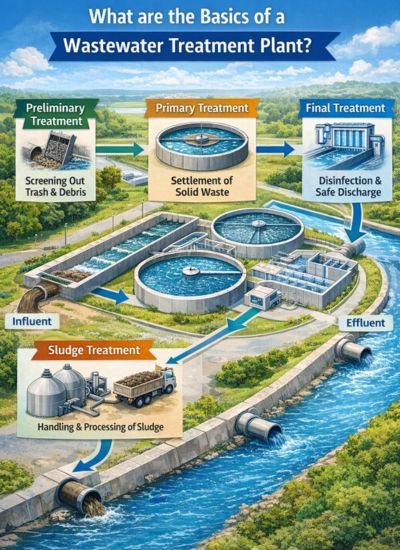
Wastewater treatment is a multi-step process designed to remove contaminants from used water before it re-enters the environment. Each phase plays a crucial role in ensuring safety and sustainability.
Initially, wastewater collection involves gathering sewage from households and industries. It then moves through screening processes that eliminate large debris like plastic or leaves, preventing damage to subsequent treatment equipment.
Once screened, the water undergoes primary treatment. This stage focuses on settling out solid waste, allowing heavier particles to sink while grease and lighter materials float to the surface for removal.
Secondary treatment follows, utilizing biological methods where microorganisms break down organic material. This natural process significantly reduces harmful substances in the wastewater.
Tertiary treatment adds another layer of purification by filtering out remaining impurities and nutrients. Advanced techniques here prepare treated water for safe discharge or potential reuse in irrigation or industrial processes.
A. Collection and Screening
The first step in a wastewater treatment plant is collection. This phase gathers sewage from households, industries, and stormwater systems. It ensures that all incoming water is directed to the treatment facilities efficiently.
Once collected, the wastewater undergoes screening. This process removes large debris like sticks, plastics, and other solids that could damage equipment later on. Screens are typically placed at various points to capture these unwanted items.
Effective screening is vital for protecting pumps and other machinery within the plant. By filtering out larger particles early on, plants can operate smoothly without interruptions.
Additionally, this initial stage helps prevent clogs in pipes. Maintaining flow throughout the entire system becomes much easier when screens do their job well. The cleaner the input water is at this point, the better it will be for subsequent treatment processes down the line.
B. Primary Treatment
Primary treatment is a crucial step in the wastewater treatment process. It focuses on removing larger solids and debris from the incoming wastewater.
During this stage, water flows into large sedimentation tanks. Here, gravity plays an essential role. Heavy particles settle to the bottom, forming what’s known as sludge. This sludge is then removed for further processing.
Meanwhile, lighter materials like grease and oils float to the top. These are skimmed off to ensure cleaner effluent moves on to the next stage of treatment.
The primary treatment typically removes about 50-60% of suspended solids and around 30% of biochemical oxygen demand (BOD).
This reduction is vital for preventing downstream processes from being overwhelmed by contaminants. By clearing out these larger particles first, we set the foundation for more thorough secondary treatments ahead.
C. Secondary Treatment
Secondary treatment is a crucial phase in the wastewater treatment process. This stage focuses on further reducing organic matter and pollutants after primary treatment.
Microorganisms play a key role here. They break down remaining contaminants, converting them into simpler substances. This biological process helps purify the water significantly.
Aeration tanks are often utilized during secondary treatment. In these tanks, air is pumped in to encourage microbial growth. The presence of oxygen enhances the breakdown of waste materials.
Afterward, settling tanks come into play again. Here, newly formed sludge settles at the bottom while treated water rises to the top for further processing or discharge.
This method not only cleans water but also reduces nutrients like nitrogen and phosphorus that can harm aquatic ecosystems if released untreated.
D. Tertiary Treatment
Tertiary treatment is the final stage in wastewater processing, focusing on polishing the effluent before it’s released into the environment. This phase aims to remove remaining pollutants that primary and secondary treatments might have missed.
Common methods include filtration, nutrient removal, and disinfection. Advanced technologies like membrane filtration or reverse osmosis can be used for thorough purification. These processes significantly reduce contaminants such as nitrogen, phosphorus, and pathogens.
The goal of tertiary treatment is to ensure that water meets stringent quality standards. The treated effluent can even be reused for irrigation or industrial processes if necessary.
This level of treatment plays a crucial role in protecting aquatic ecosystems and public health by providing clean water back to nature or communities. It’s an essential step toward sustainable wastewater management practices.
Common Technologies Used in Wastewater Treatment Plants
Wastewater treatment plants utilize various technologies to ensure effective processing of sewage and industrial effluents. One prominent method is the activated sludge process. This technique uses microorganisms to break down organic matter in wastewater, transforming it into harmless byproducts.
Another innovative solution is membrane bioreactors (MBRs). MBRs combine biological treatment with a filtration system that separates clean water from solids. This technology offers high-quality effluent suitable for reuse.
Oxidation ponds are also common, especially in rural areas. These large, shallow basins allow natural processes to purify wastewater through the action of sunlight and microorganisms.
Each of these technologies plays a crucial role in enhancing the efficiency and effectiveness of wastewater treatment operations. They contribute significantly to ensuring cleaner water returns safely back into our environment.
A. Activated Sludge Process
The Activated Sludge Process is a cornerstone of modern wastewater treatment. It uses microorganisms to break down organic matter in sewage. When wastewater enters the treatment plant, it’s mixed with air and sludge containing these beneficial bacteria.
This mixture creates an optimal environment for the microbes to thrive. As they consume organic pollutants, the water becomes cleaner. The process requires careful monitoring of oxygen levels and temperature to ensure bacterial health.
After this initial phase, settling tanks allow solid waste to separate from treated water. This step is crucial; it ensures that only clean effluent moves on while excess sludge can be recycled back into the system or removed for further processing.
This method proves effective and efficient in reducing harmful contaminants before discharge into natural waterways. With its widespread use, many plants rely on this technology as part of their overall strategy for effective wastewater management.
B. Membrane Bioreactors
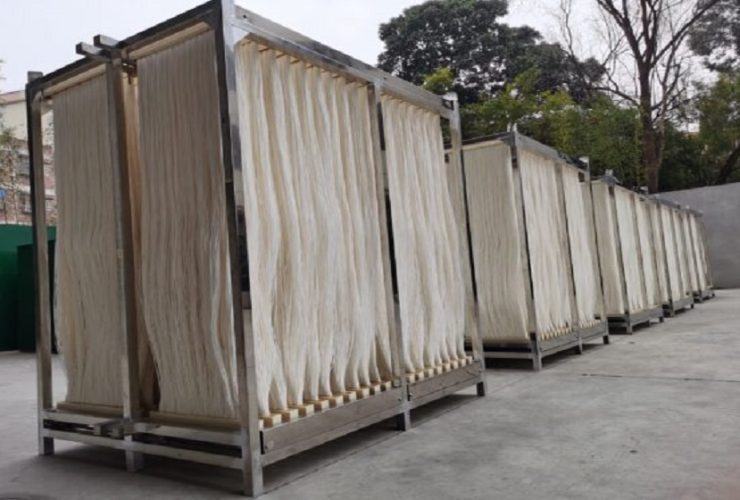
Membrane bioreactors (MBRs) represent a revolutionary leap in wastewater treatment technology. They combine biological treatment with membrane filtration, enabling effective solid-liquid separation in one compact system.
The process begins with microorganisms breaking down organic matter in the wastewater. As these microbes do their job, membranes filter out solids and other contaminants. This dual approach results in high-quality effluent that meets stringent discharge standards.
One of the standout features of MBRs is their ability to handle fluctuating loads effectively. Whether it’s seasonal variations or unexpected spikes in wastewater volume, MBR systems adapt seamlessly.
Additionally, they occupy less space compared to traditional methods. This efficiency makes them an attractive option for urban areas where land is limited.
With advancements constantly emerging, membrane bioreactors are setting a new standard for sustainable and efficient water management worldwide.
C. Oxidation Ponds
Oxidation ponds are simple yet effective systems used in wastewater treatment plants. They rely on natural processes to treat sewage and industrial waste.
These large, shallow ponds allow sunlight and microorganisms to work their magic. Sunlight helps in the breakdown of organic matter through photosynthesis, while bacteria consume nutrients present in the water.
The design is typically open-air, encouraging evaporation and reducing odors. As algae grow, they produce oxygen that supports aerobic bacteria essential for decomposition.
Oxidation ponds require minimal mechanical intervention. This makes them cost-effective compared to more complex treatment methods. However, they do need ample land space and suitable climates for optimal performance.
Wildlife often takes advantage of these areas too. Birds and other animals may inhabit oxidation ponds, adding ecological value alongside their primary function as a wastewater treatment solution.
Environmental Benefits of Wastewater Treatment
Wastewater treatment plays a crucial role in protecting our environment. By treating and purifying sewage, we significantly reduce harmful pollutants that could otherwise contaminate rivers, lakes, and oceans.
This process not only safeguards aquatic life but also enhances water quality for recreational activities. Clean water promotes biodiversity, ensuring ecosystems thrive.
Moreover, treated wastewater can be reused for irrigation or industrial processes. This practice conserves freshwater resources and encourages sustainable development within communities.
By minimizing the discharge of untreated waste into natural bodies of water, wastewater treatment plants help combat the negative impacts of urbanization on our landscapes.
Additionally, these facilities often utilize energy-efficient technologies that lower greenhouse gas emissions while providing essential services to local populations. The ripple effect is profound—cleaner environments lead to healthier communities and improved quality of life for everyone involved.
Maintenance and Operation of Wastewater Treatment
Maintenance and operation of a wastewater treatment plant are critical for its efficiency and effectiveness. Regular checks on equipment and systems ensure everything functions smoothly. Operators monitor key metrics like flow rates, chemical balances, and biological activity.
Routine maintenance tasks include cleaning screens, inspecting pumps, and calibrating sensors. Adequate training for staff is essential to handle unexpected situations or emergencies that may arise. Keeping up with regulations also plays an important role in the plant’s operation.
Additionally, preventive measures can help reduce repair costs over time. A well-maintained facility not only performs better but also extends its operational lifespan. Emphasizing proper maintenance contributes significantly to environmental protection efforts as well.
With these elements in place, a wastewater treatment plant can consistently provide clean water while safeguarding public health and the environment.