
Sustainable Wastewater Treatment Plants: A Smart Investment for Businesses
Sustainable wastewater treatment facilities are rapidly turning out to be a competitive advantage for contemporary companies. Increasing water prices, discharge limits, and rising ESG demands have turned efficient water management into more than a compliance matter. It has become a long term financial and environmental option.
Smart treatment systems save water, recover resources, and generate quantifiable savings in companies whose operations are largely water intensive, such as manufacturing plants, food processors, hotels, or pharmaceuticals.
What are Sustainable Wastewater Treatment Plants?
A sustainable wastewater treatment plant is a system designed to treat industrial or commercial wastewater using energy-efficient processes while enabling water reuse and minimizing sludge.
Unlike conventional systems that focus only on disposal, sustainable plants emphasize:
- Lower energy consumption
- Water recycling and reuse
- Reduced chemical dependency
- Resource recovery such as biogas
- Automated monitoring for efficiency
Think of it like upgrading from a fuel-guzzling car to a hybrid vehicle. The core function stays the same, but performance, savings, and environmental impact improve dramatically.
Why Businesses Cannot Ignore Wastewater Management
Water is no longer a low-cost, unlimited resource, and businesses that overlook wastewater management risk financial loss, regulatory trouble, and long-term operational instability.
Rising Environmental Regulations
Governments are increasing the strictness of wastewater treatment and discharge regulations in industries. The rules are updated more frequently, and monitoring has become stricter. A company that does not comply with these standards will risk huge fines, forced closure, or even a lawsuit.
A sustainable treatment system helps businesses operate within required limits. It ensures consistent water quality and makes the process of inspections and audits far easier. Surprise penalties will not be a concern and companies will be able to conduct their operations freely.
Water Scarcity and Increasing Costs
In most areas, clean water is no longer readily available at low cost. Industries in water-stressed regions face rising water bills and unpredictable supply. This has a direct impact on production and long term planning.
The reuse and treatment of wastewater save businesses the fresh water resource. This reduces operating expenses and cushions them against shortages. It also stabilizes and predicts the daily operations.
ESG and Brand Expectations
Modern-day investors and customers are very keen on how companies manage their environmental impact. Companies which disregard water responsibility, can be deprived of confidence and perspectives.
Good water management will enhance ESG ratings and create a positive image. It demonstrates that this company is environmentally conscious, which makes it easier to invest in the company and enhances public trust.
Key Benefits of Sustainable Wastewater Treatment Plants
Investing in modern treatment systems is not just about compliance—it delivers measurable savings, operational efficiency, and long-term environmental value.
Long-Term Cost Savings
A sustainable treatment plant requires an initial investment. However, the long-term financial rewards are high. Companies use less money to buy clean water and use less energy with systems which are energy efficient.
The expenses of sludge disposal are also lowered and the chances of payment of regulatory fines are significantly reduced. All these savings in a short period of years usually offset the initial investment and begin to give actual financial returns.
Water Reuse and Circular Operations
Water reuse is one of the largest benefits of the contemporary treatment systems. The water which has gone through treatment can be used safely in cooling the equipment, cleaning floors and machines, landscaping, and some industrial processes.
This reduces the need to source fresh water externally. Simply put, the business does not waste water but utilizes it more than once. Circular operations work that way—less waste, more efficiency.
Energy Efficiency and Resource Recovery
Advanced systems are not intended to clean water only. They are capable of turning sludge to biogas which can be used as an energy source within the facility.
Other systems also use the valuable nutrients or heat in the treatment process. These technologies do not regard waste as a problem but make it useful and advantageous.
Improved Compliance and Monitoring
New treatment facilities are frequently equipped with automated controls and intelligent monitoring devices. These systems monitor the quality of water in real-time and provide notifications if something exceeds expected levels.
This enables companies to rectify mistakes in a short time before they develop into a serious situation. It also simplifies the reporting and inspections to a great extent reducing the possibility of unexpected compliance failures.
Industries That Benefit Most
Sustainable wastewater treatment plants are especially valuable for:
- Manufacturing units
- Food and beverage companies
- Pharmaceutical industries
- Textile processing plants
- Hospitality and commercial real estate
Each of these sectors generates wastewater with specific contaminants that require tailored solutions.
For example, textile units dealing with dyes need advanced filtration, while food processors manage high organic loads.
Advanced Technologies in Sustainable Systems
Today’s sustainable wastewater treatment plants use smart, high-performance technologies that maximize water recovery while minimizing energy use and waste generation.
Membrane Bioreactor (MBR)
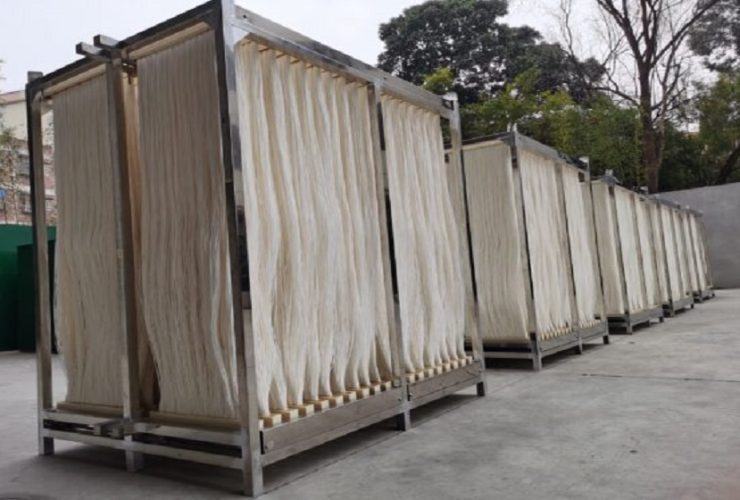
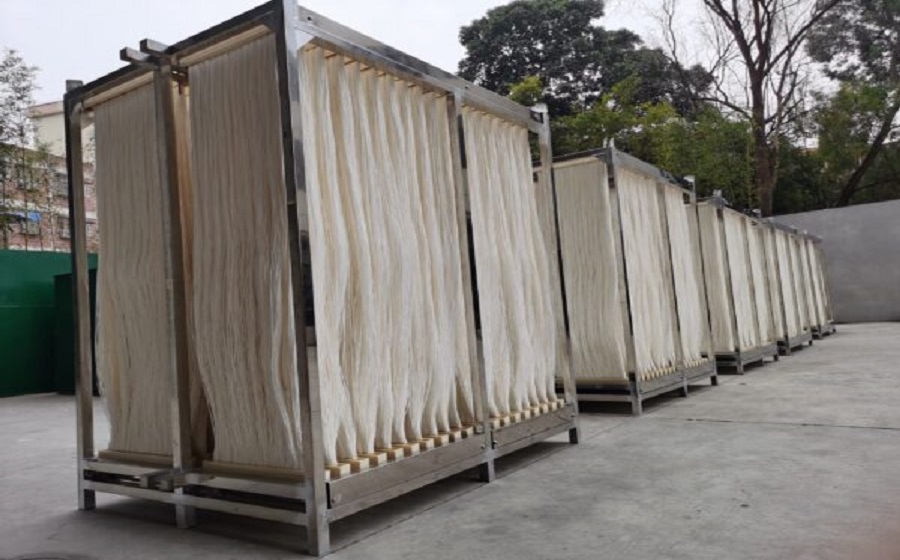
A Membrane Bioreactor (MBR) is a mixture of biological and high-tech membrane filtration. The system separates solid waste from treated water through fine membranes and this gives very clear and quality output.
Its compact size makes it suitable for smaller facilities. Due to the fact that it gives out cleaner water, it is commonly applied in areas whereby the treated water requires reuse to facilitate operations like cooling or cleaning.
Moving Bed Biofilm Reactor (MBBR)
Moving Bed Biofilm Reactor (MBBR) involves using tiny plastic media in the treatment tank. On these media carriers, the beneficial bacteria are able to grow efficiently and decompose the pollutants.
Such a system is also less expensive to maintain as opposed to most conventional systems. It also manages the variation in the wastewater load easily and therefore is applicable in industries where the level of production fluctuates. MBBR can be an affordable upgrade option by businesses that want to upgrade the existing plant
Zero Liquid Discharge (ZLD)
Zero Liquid Discharge or ZLD is developed to extract nearly all the water in industrial wastewater. The process will make sure that none of the liquid waste is discharged to the environment.
The system is particularly applicable when the wastes generated in industries are extremely contaminated. ZLD enables companies to achieve high standards of environmental protection by recovering maximum water and creating solid waste only, so that the consumption of freshwater is lower.
Cost vs Return on Investment
Business owners often ask if sustainable systems are worth the investment.
Here’s how ROI builds over time:
- Reduced water procurement costs
- Lower power consumption
- Avoided regulatory fines
- Reduced sludge disposal fees
In many mid-sized industries, the payback period ranges between 2 to 5 years depending on water usage and system scale.
When viewed over a 10–15 year lifecycle, these systems provide significant financial and operational stability.
How to Choose the Right System
The process of selecting the appropriate wastewater treatment system would depend on your business requirements. There are various forms of wastewater produced by each industry. Therefore, first, you need to know what type of waste your facility produces and how much of it is produced on a daily basis.
The system must be powerful enough to support your present work load. Meanwhile, it must also have the space to grow in the future. The system should be capable of handling the additional load without significant alterations in the event that there will be an increment in your production later.
Space is also important. There are systems that require a lot of space to install and others that are small and occupy less space. Always observe what suits your area of location.
Lastly, make a decision on a provider who has real experience. Your wastewater will be well tested by a good company before it proposes any solution. This is to guarantee that you get the right system and not an expensive system.
Common Myths About Sustainable Systems
“They are too expensive.”
Operational savings often outweigh initial costs.
“They are difficult to operate.”
Modern systems are automated and user-friendly.
“Only large industries need them.”
Mid-sized businesses benefit equally, especially in water-scarce regions.
The Future of Industrial Water Management
Industrial water management is becoming smarter and cleaner. Simple AI-based systems are currently being implemented by many companies to track water treatment and enhance their performance automatically. Industries are also reusing treated water rather than disposing of it where water saving effort is also achieved and also cutting on waste.
The interest in the construction of net-zero facilities and the utilization of renewable sources, such as solar or biogas, in treatment plants, is also increasing. Companies that embrace such changes early often have fewer regulations issues and a high advantage over their competitors.
Conclusion
Sustainable wastewater treatment plants are no longer optional for progressive companies. They lower the cost of operation, enhance compliance, enhance brand value and ensure the long term availability of water.
At Oxymotec, we assist industries to design and install sustainable wastewater treatment plants that align with operational requirements and expansion strategies. Being responsible now with an investment will guarantee a resilient, complying and responsible development in the future.
FAQs
- What is a sustainable wastewater treatment plant?
A sustainable wastewater treatment plant treats industrial or commercial wastewater using energy-efficient methods while enabling water reuse and reducing environmental impact.
- How much does a sustainable wastewater treatment plant cost?
Costs vary depending on capacity, technology, and industry type. Small systems may start at moderate investment levels, while large-scale plants require higher capital expenditure.
- Can treated wastewater be reused in industries?
Yes. Treated water can be reused for cooling, cleaning, landscaping, and certain processing operations depending on treatment quality.
- What industries require wastewater treatment plants?
Manufacturing, textiles, pharmaceuticals, food processing, and hospitality industries commonly require treatment systems to meet regulatory standards.
- What is the difference between traditional and sustainable treatment systems?
Traditional systems focus mainly on disposal, while sustainable systems emphasize energy efficiency, water reuse, and resource recovery.