
How Ultrafiltration Systems Are Revolutionizing Modern Water Treatment
Introduction
Clean water is no longer just a utility—it is a strategic resource for businesses. Industries today face increasing pressure to meet strict quality standards, reduce environmental impact, and optimize operational efficiency. Traditional filtration methods often fall short in delivering consistent results. This is where Ultrafiltration Systems are transforming the landscape. In this blog, we explore how these advanced systems are redefining water treatment, why they matter for modern businesses, and how choosing the right Ultrafiltration Membrane Filter System Manufacturer or Ultrafiltration Membrane Filter System Supplier can make a measurable difference.
What Are Ultrafiltration Systems?
Ultrafiltration Systems are advanced membrane-based filtration technologies designed to remove suspended solids, bacteria, viruses, and macromolecules from water. These systems operate using semi-permeable membranes with very fine pore sizes, typically ranging from 0.01 to 0.1 microns.
Unlike conventional filtration, Ultrafiltration Systems provide a physical barrier that ensures high-quality output without relying heavily on chemicals. This makes them ideal for industries that demand consistent and reliable water purity.
Why Ultrafiltration Systems Matter in Modern Industries
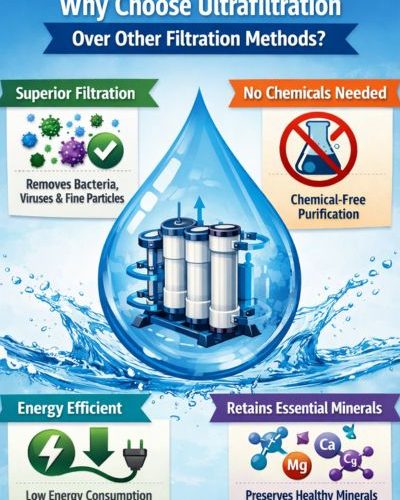
Water quality directly impacts operational efficiency, product quality, and regulatory compliance. Businesses across sectors—manufacturing, pharmaceuticals, food and beverage, and municipal utilities—are increasingly adopting Ultrafiltration Systems for their superior performance.
Key benefits include:
- Consistent water quality regardless of input variations
- Reduced dependency on chemical treatments
- Lower operational footprint compared to traditional systems
- Enhanced sustainability and water reuse capabilities
For a brand like Oxymotec, delivering reliable Ultrafiltration Systems means empowering industries to meet both operational and environmental goals.
How Ultrafiltration Systems Work
At the core of every Ultrafiltration System is a membrane that acts as a selective barrier. Water is pushed through the membrane under pressure, allowing only clean water and dissolved substances to pass through while retaining contaminants.
The process typically involves:
- Pre-filtration to remove larger particles
- Membrane filtration for fine separation
- Periodic backwashing or cleaning cycles to maintain efficiency
This multi-stage approach ensures high performance and long-term reliability.
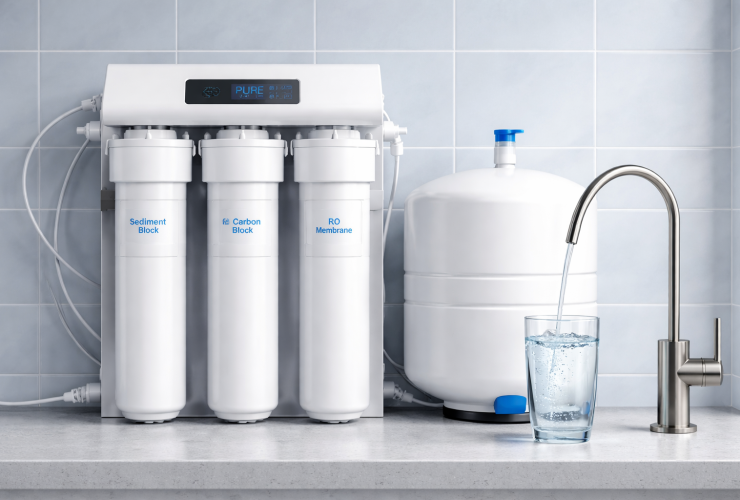
Key Components of Ultrafiltration Systems
Understanding the components of Ultrafiltration Systems helps in better operation and maintenance.
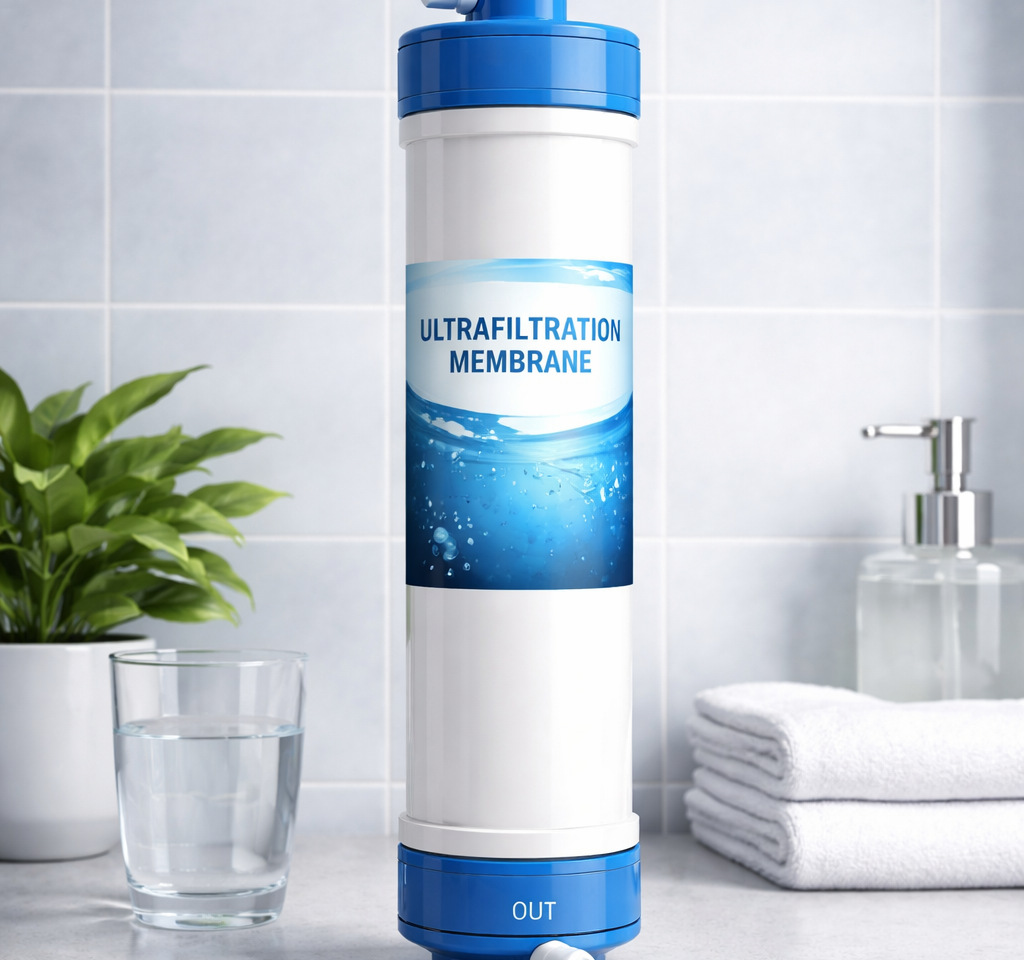
Membrane Modules
The heart of the system, these modules determine filtration efficiency. High-quality membranes are essential for long-term performance.
Pumps and Pressure Systems
These ensure consistent flow and pressure across the membrane surface.
Control Systems
Modern Ultrafiltration Systems include automated controls for monitoring and optimization.
Cleaning Systems
Cleaning-in-place (CIP) systems help maintain membrane performance by removing fouling.
Choosing a reliable Ultrafiltration Membrane Filter System Manufacturer ensures that each component is designed for durability and efficiency.
Applications Across Industries
Ultrafiltration Systems are versatile and widely used across multiple industries.
Industrial Manufacturing
Used for process water treatment, cooling water systems, and wastewater recycling.
Food and Beverage
Ensures high-quality water for production while meeting hygiene standards.
Pharmaceuticals
Supports stringent purity requirements for drug manufacturing.
Municipal Water Treatment
Provides safe drinking water and supports large-scale water reuse initiatives.
A trusted Ultrafiltration Membrane Filter System Supplier can tailor solutions to meet industry-specific requirements.
Advantages Over Traditional Filtration Methods
Ultrafiltration Systems offer several advantages compared to conventional methods such as sand filtration or cartridge filtration.
- Higher removal efficiency for microorganisms
- Reduced chemical usage
- Compact system design
- Lower sludge generation
These benefits translate into cost savings and improved sustainability for businesses.
Maintenance and Operational Efficiency
While Ultrafiltration Systems are highly efficient, proper maintenance is essential to sustain performance.
Best practices include:
- Regular monitoring of pressure and flow rates
- Scheduled cleaning cycles to prevent fouling
- Timely replacement of worn components
Working with an experienced Ultrafiltration Membrane Filter System Supplier ensures access to maintenance support and genuine spare parts.
Common Challenges and Solutions
Despite their advantages, Ultrafiltration Systems can face challenges such as membrane fouling and scaling.
Fouling
Caused by accumulation of organic or inorganic materials on the membrane surface. This can be managed through regular cleaning and proper pre-treatment.
Scaling
Occurs when dissolved minerals precipitate on the membrane. Using anti-scalants and monitoring water chemistry can help prevent this issue.
Operational Errors
Incorrect pressure settings or poor maintenance practices can reduce efficiency. Training and automation help mitigate these risks.
The Role of Technology in Modern Ultrafiltration Systems
Advancements in technology have significantly improved the performance of Ultrafiltration Systems. Modern systems now feature:
- Real-time monitoring sensors
- Automated cleaning cycles
- Data analytics for predictive maintenance
These innovations allow businesses to optimize performance and reduce operational costs.
Choosing the Right Manufacturer and Supplier
Selecting the right Ultrafiltration Membrane Filter System Manufacturer and Ultrafiltration Membrane Filter System Supplier is critical for long-term success.
Key factors to consider include:
- Proven industry experience
- Quality of membrane technology
- Availability of after-sales support
- Customization capabilities
Oxymotec focuses on delivering high-performance Ultrafiltration Systems backed by technical expertise and customer-centric solutions.
Sustainability and Environmental Impact
Sustainability is a growing priority for businesses worldwide. Ultrafiltration Systems contribute to environmental goals by:
- Enabling water reuse and recycling
- Reducing chemical consumption
- Minimizing waste generation
This makes them an essential component of modern water management strategies.
Future of Ultrafiltration Systems
The future of water treatment lies in innovation and efficiency. Ultrafiltration Systems are expected to play a central role in addressing global water challenges.
Emerging trends include:
- Integration with IoT and smart monitoring systems
- Development of more durable and efficient membranes
- Increased adoption in decentralized water treatment solutions
These advancements will further enhance the value of Ultrafiltration Systems in the years to come.
Conclusion
Ultrafiltration Systems are revolutionizing water treatment by offering unmatched efficiency, reliability, and sustainability. For businesses, investing in these systems is not just about meeting current needs—it is about preparing for the future.
By partnering with a trusted Ultrafiltration Membrane Filter System Manufacturer and Ultrafiltration Membrane Filter System Supplier, organizations can ensure optimal performance and long-term value.
Oxymotec remains committed to delivering advanced Ultrafiltration Systems that empower industries to achieve excellence in water treatment.