
How to Choose the Right Ultrafiltration Membrane Filter for Industrial Applications
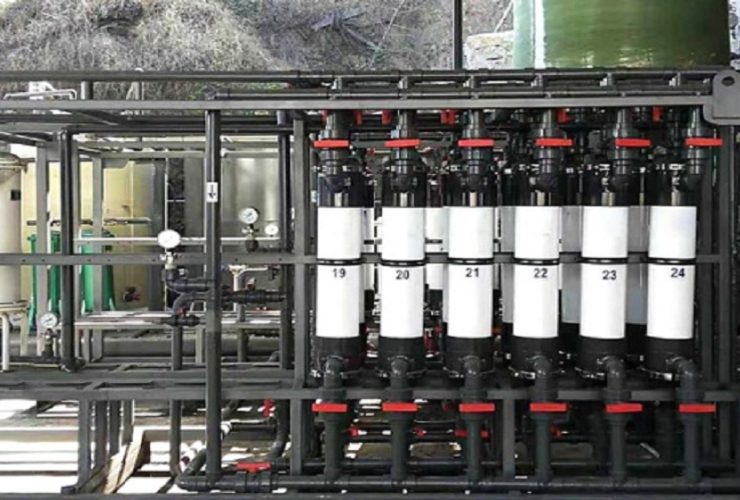
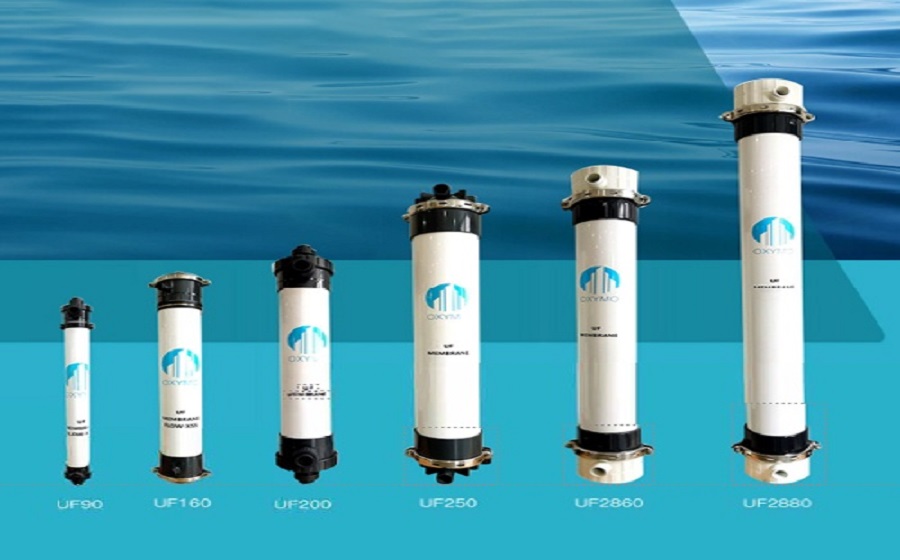
An ultrafiltration membrane filter is an important element of most industrial water treatment systems. It assists in removing suspended solids and keeps downstream equipment protected, maintaining stability and efficiency. When the right membrane is chosen, it ensures steady performance, operation costs management, and high overall system reliability.
When an incorrect membrane is installed, issues begin early, including recurring contamination, increased cleaning costs, and unexpected downtime. Such industries as water treatment, food and beverage processing, pharmaceuticals, wastewater recycling and oil and gas use these systems daily. The correct decision does not only favor business; it cushions the profitability in the long term.
What Is an Ultrafiltration Membrane?
An ultrafiltration membrane is a semi-permeable barrier designed to eliminate particles that are approximately 0.01 to 0.1 micrometers. It permits water and low-molecular solutes to pass through the membrane but prevents bacteria, colloids, proteins, and suspended solids.
How It Differs from Other Membrane Technologies
- Microfiltration (MF): Filters bigger particles but does not filter dissolved substances.
- Ultrafiltration (UF): Removes bacteria, viruses, and fine particles.
- Nanofiltration (NF): Filters a few dissolved salts.
- Reverse Osmosis (RO): Extraction of practically all soluble substances.
Ultrafiltration acts like a very fine sieve. Think of it as a security checkpoint — only molecules small enough can pass.
Understand Your Industrial Requirements
Before selecting a system, define what your process truly needs.
Feed Water or Fluid Characteristics
Start by analyzing:
- Total Suspended Solids (TSS)
- Turbidity levels
- Bacteria or microbial load
- The concentration of organic matter
When contamination is high, it increases the risk of fouling. Pretreatment (sand or media filtration) may be a requirement in such cases.
If you are unsure about the quality of the feed, our guide on the industrial water treatment solutions would be useful to explain the size of the system and pretreatment.
Operational Environment
Consider real-world conditions:
- Operating temperature range
- pH levels
- Required pressure limits
- Target flow rates
- Available installation space.
A membrane designed for moderate conditions may fail quickly in aggressive chemical environments. Matching the membrane to operating conditions prevents premature degradation.
Membrane Material-Choosing the Best Fit
Material choice affects durability, chemical resistance, and cleaning cycles.
Common materials include:
- PVDF (Polyvinylidene Fluoride)- Chemical resistant and high mechanical stability.
- PES (Polyethersulfone)- Excellent compromise of permeability and durability.
- Cellulose Acetate- Inexpensive yet less resistant to the chemicals.
- Ceramic membranes- This type is highly robust and is used in tough industries.
In the case of heavy-duty wastewater treatment, ceramic or PVDF is usually used. In the case of food processing, chemical compatibility is even more important.
Membrane Configuration Types
The configuration determines how the membrane is structured inside the system.
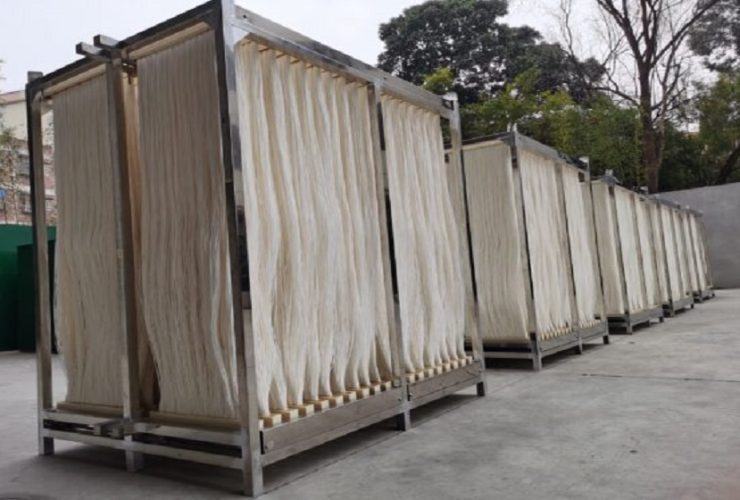
Hollow Fiber
- High surface area
- Compact design
- Ideal for large flow volumes
Spiral Wound
- Space-efficient
- Common in industrial water treatment
- Cost-effective option
Tubular & Plate-and-Frame
- Suitable for high-solids streams
- Easier to clean
- Often used in industrial wastewater applications
Each design has trade-offs. Hollow fiber offers efficiency, while tubular systems handle difficult feed streams better.
Key Performance Metrics to Evaluate
Selecting a membrane without reviewing performance data is risky.
Pore Size & MWCO
Pore size indicates the size of the openings in the membrane. The smaller the pore, the smaller the particles it can stop. It is significant when the bacteria, proteins, or very fine suspended solids must be eliminated.
MWCO or Molecular weight cutoff informs you about the size of molecules that the membrane can hold. If you want to eliminate certain contaminants then you must select a membrane with the appropriate MWCO. Choosing the wrong range can either lead to clogging or insufficient filtration.
Flux Rate
Flux rate measures how much water passes through the membrane surface over a specific period. Increased flux implies that more water is treated with less area of the membrane and this enhances productivity.
“However, very high flux rates can increase fouling. The more the membranes become dirty, the more then the cleaning. The balance between performance and stability should be maintained.
Transmembrane Pressure
It is the pressure that forces water to go through the membrane known as transmembrane pressure. Each membrane is made to operate under a specific pressure range.
If the pressure is excessive, it may cause a membrane to be ruined. In case it is low, the system would not produce enough. Always ensure that you align the membrane rating with your pressure capacity system.
Recovery Rate & Lifespan
Recovery rate indicates the extent to which the feed water is transformed to usable filtered water. An increased recovery leads to reduction of waste and improved efficiency.
Lifespan is also important. The longer the life of a membrane, the lower the replacement cost and the number of shutdowns. When both recovery and durability are high, the total operating costs remain manageable.
Compliance & Quality Standards
Industrial applications require certified and validated products.
Look for:
- ISO certifications
- FDA compliance (for food & pharma)
- NSF standards
- Third-party performance testing
Certified membranes typically provide more consistent quality and predictable lifespan.
Cost Considerations Beyond Purchase Price
The initial price of a membrane may look attractive, but it rarely reflects the total investment. What truly matters is how the system performs over time and how much it costs to operate day after day.
Long-term expenses often include:
- Cleaning chemicals and maintenance supplies
- Energy consumption for pumps and operation
- Production losses due to downtime
- Membrane replacement frequency
A lower-cost membrane that fouls quickly can end up costing far more in cleaning, labor, and lost productivity. It’s also wise to think about scalability. If production demand increases in the future, your filtration system should be able to expand without requiring a complete redesign.
Scalability is also important. If production increases, can your system expand easily?
Pilot Trials and Real-World Testing
Smart industrial buyers rarely commit without testing.
Pilot studies help measure
- Flux decline rate
- Fouling behavior
- Cleaning efficiency
- System recovery
Testing in real operating conditions reduces risk and improves confidence before full investment.
Final Checklist Before Choosing
Use this quick evaluation guide
- What contaminants must be removed?
- What is the feed water quality?
- Are pretreatment steps required?
- Which material suits the chemical environment?
- Does the configuration match flow demands?
- Are certifications verified?
- Have pilot tests been conducted?
Creating a simple comparison matrix between suppliers can clarify the final decision.
Conclusion
Selecting the right ultrafiltration membrane filter is not just a technical choice — it’s a strategic investment. The correct material, configuration, and performance specifications can reduce downtime, improve efficiency, and lower total operating costs.
At Oxymotech, we help industries evaluate, test, and implement the right ultrafiltration systems tailored to real operating conditions. When chosen carefully, the right membrane delivers consistent performance and long-term value.