
How to Maintain Your Water Filtration System for Long-Term Efficiency
Introduction
A water filtration system is only as effective as its maintenance routine. Many businesses invest in high-quality filtration solutions but overlook the importance of consistent upkeep. Over time, this can lead to reduced performance, increased operational costs, and even system failure. For B2B organizations that rely on clean water for production, compliance, or safety, proper maintenance is not optional it is essential. In this guide, we will explore how to maintain your water filtration system effectively, ensuring optimal performance, longevity, and return on investment.
Why Maintenance Matters for Water Filtration Systems
A well-maintained water filtration system ensures consistent water quality and operational reliability. Whether you are using Ultrafiltration Systems, Sand Filtration Systems, or Cartridge Filtration Systems, each setup requires routine care.
Without proper maintenance, businesses may face:
- Reduced filtration efficiency
- Increased downtime
- Higher energy consumption
- Premature equipment replacement
Partnering with a reliable Water Filtration System Supplier or Water Filtration System Manufacturer can help establish proper maintenance protocols tailored to your system.
Understanding Your Water Filtration System Components
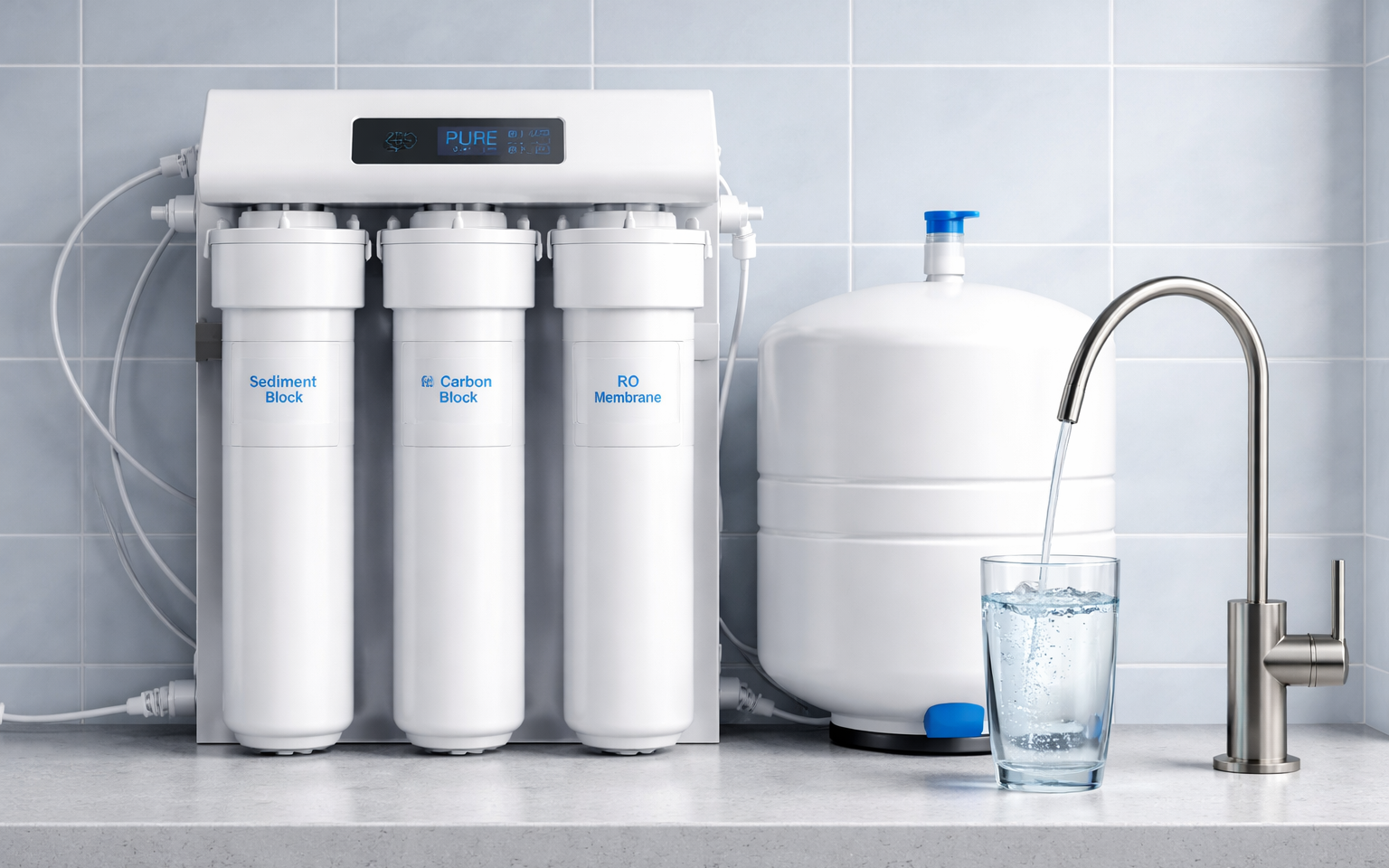
Before implementing a maintenance plan, it is important to understand the key components of your system. Most industrial water filtration systems include:
- Pre-filtration units (e.g., sand filters)
- Membrane-based filtration (e.g., ultrafiltration)
- Cartridge filters for polishing
- Pumps, valves, and piping systems
Each component plays a critical role. Neglecting even one part can impact overall system performance.
Step-by-Step Maintenance Guide
1. Conduct Regular Inspections
Routine inspections are the foundation of effective maintenance. Operators should check for visible signs of wear, leaks, or blockages.
Key inspection points include:
- Pressure gauges
- Flow rates
- Filter housing integrity
- Pipe connections
Regular inspections help identify issues early, reducing the risk of major failures.
2. Monitor System Performance Metrics
Tracking performance metrics ensures your water filtration system operates within optimal parameters. Important metrics include:
- Differential pressure across filters
- Flow rate consistency
- Water quality output
A sudden change in these indicators often signals a need for maintenance or replacement.
3. Clean and Backwash Filters
For systems such as Sand Filtration Systems, backwashing is essential to remove accumulated solids. This process restores filtration efficiency and prevents clogging.
Best practices include:
- Following manufacturer-recommended backwash frequency
- Using clean water for backwashing
- Monitoring backwash effectiveness
Neglecting this step can lead to reduced system capacity and higher operational strain.
4. Replace Cartridge Filters on Schedule
Cartridge Filtration Systems require periodic replacement to maintain performance. Overused cartridges can restrict flow and reduce filtration quality.
Develop a replacement schedule based on:
- Manufacturer guidelines
- Usage intensity
- Water quality conditions
Keeping spare cartridges in stock minimizes downtime during replacement.
5. Maintain Ultrafiltration Membranes
Ultrafiltration Systems rely on membranes that require careful maintenance. Fouling is a common issue that can reduce efficiency.
To maintain membranes:
- Perform regular cleaning cycles (CIP)
- Use appropriate cleaning chemicals
- Avoid exposure to extreme conditions
Proper membrane care extends system lifespan and ensures consistent output quality.
6. Inspect and Maintain Pumps and Valves
Mechanical components such as pumps and valves are critical to system operation. Regular maintenance ensures smooth functionality.
Check for:
- Unusual noise or vibration
- Leakage
- Pressure inconsistencies
Lubrication and timely replacement of worn parts prevent unexpected breakdowns.
7. Ensure Proper Chemical Dosing
Many systems use chemicals for cleaning or conditioning. Incorrect dosing can damage components or reduce efficiency.
Ensure:
- Accurate dosing levels
- Proper storage of chemicals
- Regular calibration of dosing equipment
This step is especially important for systems handling industrial wastewater.
8. Keep Detailed Maintenance Records
Documentation is often overlooked but plays a vital role in system management. Maintaining records helps track performance trends and plan future maintenance.
Include:
- Inspection reports
- Replacement schedules
- Cleaning logs
These records are also valuable for audits and compliance purposes.
Common Challenges in Water Filtration Maintenance
Despite best efforts, businesses often face challenges such as:
- Inconsistent maintenance schedules
- Lack of trained personnel
- Delayed replacement of components
- Poor system monitoring
Working with an experienced Water Filtration System Manufacturer can help overcome these challenges by providing training, support, and advanced monitoring solutions.
Best Practices for Long-Term System Efficiency
To ensure long-term performance, consider the following best practices:
- Train staff on system operation and maintenance
- Use automation for monitoring and alerts
- Schedule preventive maintenance instead of reactive repairs
- Partner with a trusted Water Filtration System Supplier
These strategies help reduce costs and improve system reliability.
The Role of Technology in Modern Water Filtration Maintenance
Modern water filtration systems are increasingly integrated with smart technologies. Sensors and automation tools allow real-time monitoring and predictive maintenance.
Benefits include:
- Early fault detection
- Reduced manual intervention
- Improved efficiency
Businesses adopting these technologies gain a competitive advantage through better resource management.
Choosing the Right Partner for Maintenance Support
Selecting the right Water Filtration System Supplier or Manufacturer is crucial. A reliable partner offers:
- Technical expertise
- Customized maintenance plans
- Access to genuine spare parts
This ensures your system remains efficient and compliant with industry standards.
Industry-Specific Applications: Tailoring Maintenance Strategies
Different industries require customized maintenance approaches for their water filtration system due to varying water quality standards and operational demands.
Manufacturing Industry
Manufacturing facilities often deal with high loads of suspended solids and chemicals. Regular monitoring of Sand Filtration Systems and timely cleaning of Ultrafiltration Systems is essential to avoid production disruptions.
Pharmaceutical Industry
In pharmaceutical applications, water purity is critical. Cartridge Filtration Systems must be replaced more frequently, and strict documentation is required to meet compliance standards.
Food and Beverage Industry
Consistency in water quality is vital for product safety. Routine inspections and sanitation of filtration components help maintain hygiene and regulatory compliance.
Municipal and Commercial Facilities
Large-scale systems require automated monitoring and predictive maintenance. Partnering with a reliable Water Filtration System Supplier ensures long-term operational stability.
Conclusion
Maintaining your water filtration system is essential for ensuring consistent performance, reducing operational costs, and extending equipment lifespan. A proactive approach that includes inspections, cleaning, component replacement, and performance monitoring can significantly improve system efficiency.
For B2B organizations, working with a trusted Water Filtration System Manufacturer or Supplier adds another layer of reliability and expertise. With the right maintenance strategy and support, your system can deliver long-term value and operational excellence.